

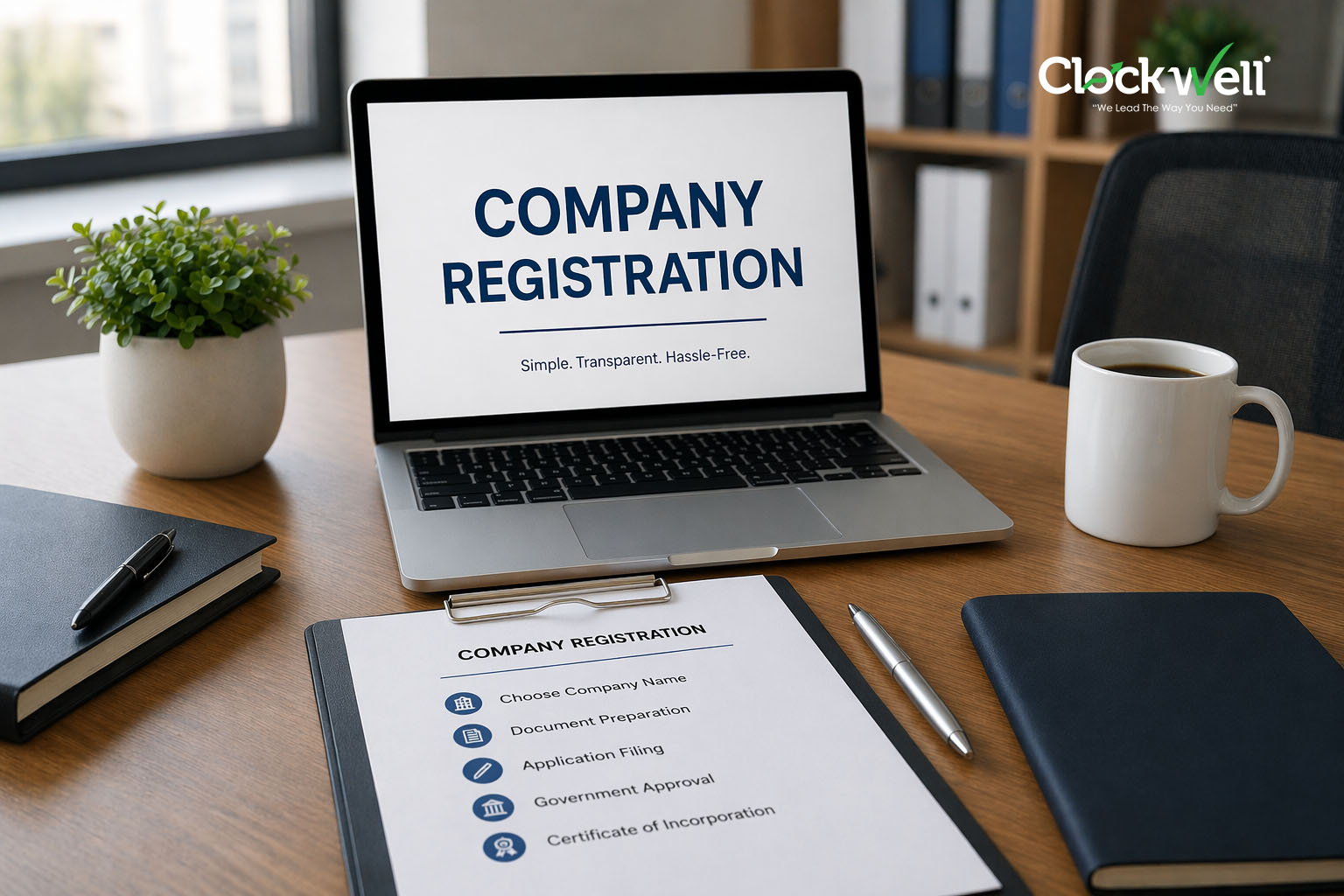
Starting a business is an exciting journey, but before you begin operations, one crucial step must be completed—company registration. Registering your company is not just a legal requirement; it also builds credibility, protects your business, and opens doors to growth opportunities.
Whether you’re an aspiring entrepreneur or an established professional launching a new venture, understanding the process of company registration is essential. This guide will walk you through everything you need to know to get started smoothly.
Why Company Registration Is Important
Many people start small businesses informally, but operating without proper registration can limit your growth and expose you to legal risks.
Here’s why company registration is important:
- Legal recognition
Your business becomes a separate legal entity. - Limited liability protection
Protects your personal assets from business debts. - Improved credibility
Clients and investors trust registered businesses more. - Access to funding
Banks and investors prefer legally registered companies. - Tax benefits
Registered businesses can take advantage of structured tax planning.
Without proper company registration, scaling your business becomes much more difficult.
Types of Business Structures
Before starting the registration process, you need to choose the right type of business structure. Each option has its own advantages and requirements.
Sole Proprietorship
Ideal for individuals starting small businesses. It’s easy to set up but offers no liability protection.
Partnership
Suitable for businesses with two or more owners. Responsibilities and profits are shared.
Limited Liability Partnership (LLP)
Combines the flexibility of a partnership with limited liability protection.
Private Limited Company
One of the most popular choices. It offers strong legal protection and scalability.
One Person Company (OPC)
Perfect for solo entrepreneurs who want the benefits of a company structure.
Choosing the right structure is a critical step in the company registration process.
Step-by-Step Company Registration Process
Understanding the process can make things much easier. Here’s a simplified step-by-step guide:
1. Choose a Company Name
Select a unique name that complies with government regulations. It should not be similar to existing businesses.
2. Obtain Digital Signatures
Digital Signature Certificates (DSC) are required for filing documents online.
3. Apply for Director Identification Number (DIN)
Every director must have a unique identification number.
4. Prepare Required Documents
This includes identity proof, address proof, and business details.
5. File Registration Application
Submit your application through the official government portal.
6. Get Certificate of Incorporation
Once approved, you’ll receive a certificate confirming your company registration.
Following these steps ensures a smooth and hassle-free experience.
Documents Required for Company Registration
Having the right documents ready can speed up the process significantly.
Common requirements include:
- Identity proof (Aadhaar, PAN, passport)
- Address proof (utility bills, bank statements)
- Registered office address
- Passport-size photographs
- Digital signatures
Accurate documentation is essential for successful company registration.
Common Mistakes to Avoid
Many entrepreneurs face delays due to simple mistakes. Here are some common pitfalls:
- Choosing a name that is already taken
- Submitting incorrect or incomplete documents
- Not understanding the right business structure
- Ignoring compliance requirements
Avoiding these errors can save time and ensure smooth company registration.
Benefits of Registering Your Company
Registering your business provides long-term advantages that go beyond legal compliance.
Professional Image
A registered company appears more trustworthy and credible.
Business Continuity
The company continues to exist even if ownership changes.
Easier Expansion
Registered businesses can scale more easily and enter new markets.
Legal Protection
Protects your brand name and business identity.
These benefits make company registration a smart investment for any entrepreneur.
How Long Does Company Registration Take?
The time required depends on various factors, including the type of business and document accuracy.
Typically:
- Sole proprietorship: 1–3 days
- LLP: 5–10 days
- Private limited company: 7–15 days
Delays usually occur due to documentation errors or approval issues.
Cost of Company Registration
The cost varies based on the type of business and professional services used.
Factors affecting cost include:
- Government fees
- Legal and consultancy charges
- Documentation costs
While there is an upfront cost, the long-term benefits of company registration far outweigh the expenses.
Post-Registration Compliance
After registering your company, there are ongoing responsibilities you must fulfill:
- Filing annual returns
- Maintaining financial records
- Paying taxes on time
- Conducting audits (if required)
Compliance ensures your business remains legally active and avoids penalties.
Tips for a Smooth Registration Process
To make your journey easier, follow these practical tips:
- Research your business structure carefully
- Keep all documents ready in advance
- Choose a unique and relevant company name
- Seek professional help if needed
- Stay updated with legal requirements
A well-prepared approach makes company registration faster and stress-free.
The Future of Business Registration
With digital transformation, registering a company has become faster and more accessible. Online portals and simplified procedures have made it easier for entrepreneurs to start businesses from anywhere.
Governments are continuously improving systems to encourage startups and innovation. This means company registration will become even more streamlined in the future.
Starting a business is a big step, and company registration is the foundation of that journey. It provides legal security, builds trust, and creates opportunities for growth.
While the process may seem complex at first, understanding the steps and preparing in advance can make it much easier. With the right approach, you can register your company smoothly and focus on building a successful business.
If you’re serious about turning your idea into reality, don’t delay—complete your company registration and take the first step toward your entrepreneurial success.
Published on April 13, 2026