

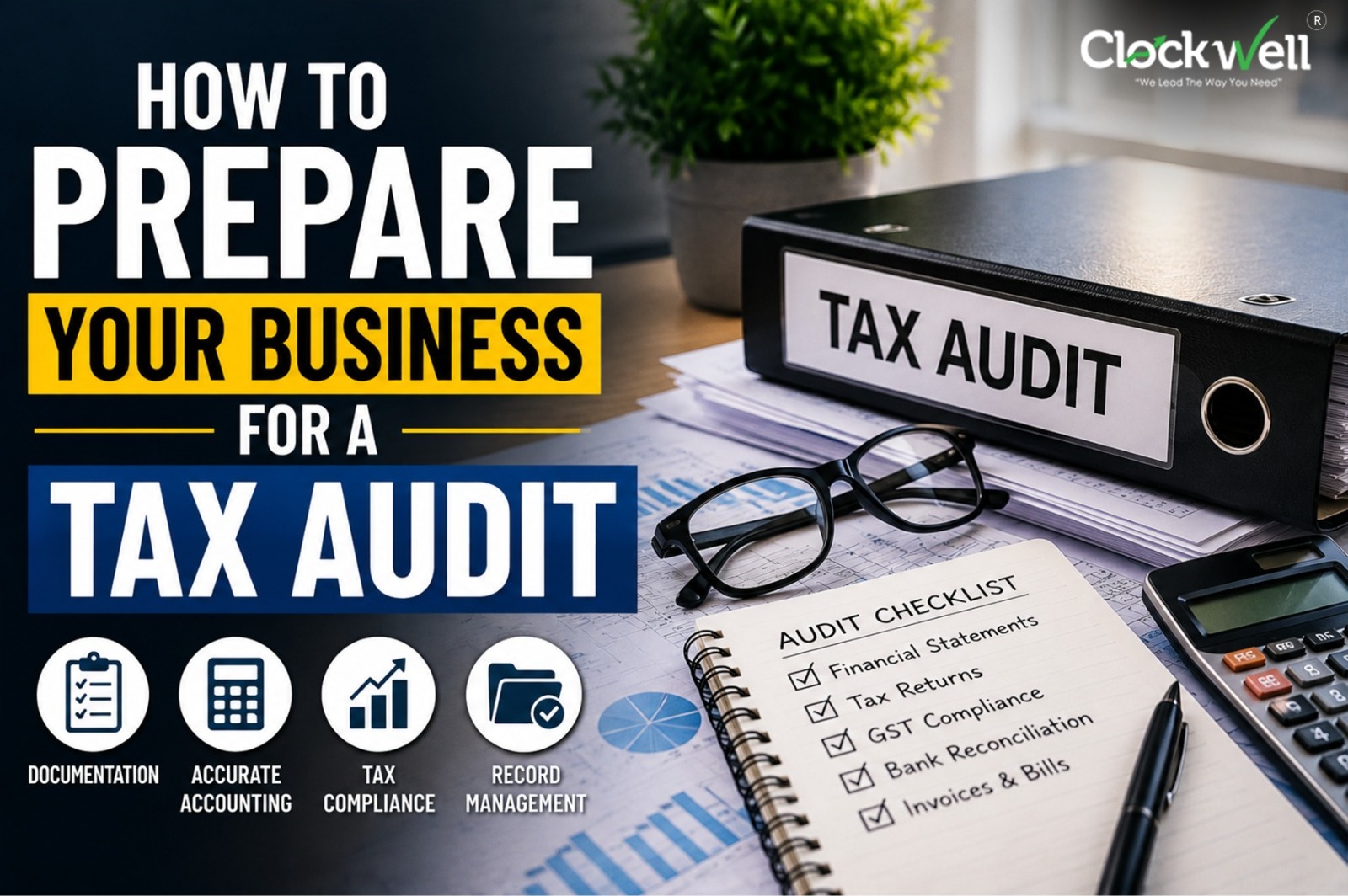
A tax audit can seem intimidating for many business owners. However, businesses that maintain proper records and follow compliance requirements have little to worry about.
Tax audits are conducted to verify whether a business has accurately reported its income, expenses, taxes, and financial transactions. Proper preparation not only reduces stress but also helps businesses avoid penalties, notices, and compliance issues.
Understanding how to prepare your business for a tax audit is essential for smooth business operations and long-term financial stability.
What Is a Tax Audit?
A tax audit is an examination of a business's financial records by tax authorities or authorized professionals to verify the accuracy of tax filings and compliance.
The purpose is to ensure:
- Correct income reporting
- Proper expense claims
- Accurate tax payments
- Compliance with tax regulations
A well-prepared business can complete audits smoothly and efficiently.
Why Tax Audit Preparation Is Important
Proper preparation helps:
- Reduce audit-related stress
- Avoid penalties and fines
- Improve financial transparency
- Strengthen compliance
- Build business credibility
Businesses with organized records typically face fewer complications during audits.
Essential Steps to Prepare for a Tax Audit
1. Maintain Accurate Accounting Records
Accurate bookkeeping is the foundation of audit readiness.
Important Records Include:
- Sales records
- Purchase records
- Expense reports
- Bank statements
- Cash books
- Financial statements
Well-organized accounts make audits significantly easier.
2. Keep Supporting Documents Ready
Every financial transaction should have proper supporting documentation.
Examples:
- Invoices
- Bills
- Receipts
- Contracts
- Purchase orders
Missing documents can create unnecessary audit complications.
3. Reconcile Bank Statements Regularly
Bank reconciliation helps ensure:
- Transactions are correctly recorded
- Missing entries are identified
- Errors are corrected promptly
Regular reconciliation improves financial accuracy.
4. Verify GST Compliance
GST records are often reviewed during audits.
Review:
- GSTR-1
- GSTR-3B
- Input Tax Credit claims
- E-way bills
- GST payment records
Ensure all GST returns match accounting records.
5. Review Expense Claims Carefully
Business expenses should be:
- Genuine
- Properly documented
- Business-related
Incorrect expense claims can trigger audit concerns.
6. Ensure Proper Tax Filing
Review all filed returns carefully.
Verify:
- Income Tax Returns
- GST Returns
- TDS Returns
- Advance Tax Payments
Consistency across filings is important.
7. Check Fixed Asset Records
Maintain proper documentation for:
- Machinery
- Equipment
- Vehicles
- Office assets
Asset purchases and depreciation claims should be supported by records.
8. Review Payroll and Employee Records
Employee-related documents should be organized.
Include:
- Salary records
- PF contributions
- ESI payments
- TDS deductions
Payroll compliance is often reviewed during audits.
9. Conduct Internal Financial Review
Before an audit, businesses should perform an internal review.
This helps identify:
- Errors
- Missing documents
- Compliance gaps
- Reporting inconsistencies
Early corrections reduce audit risks.
10. Work With Professional Advisors
Professional accountants and tax consultants help:
- Review records
- Ensure compliance
- Prepare audit documentation
- Handle audit queries
Expert guidance improves audit readiness.
Common Mistakes That Create Audit Problems
Businesses often face audit issues because of:
- Poor bookkeeping
- Missing invoices
- Incorrect GST claims
- Unreported income
- Inconsistent records
- Late tax filings
Avoiding these mistakes reduces audit complications.
Documents Commonly Requested During Audits
Financial Documents
- Profit & Loss Account
- Balance Sheet
- Cash Flow Statement
Tax Documents
- Income Tax Returns
- GST Returns
- TDS Returns
Business Documents
- Registration Certificates
- Agreements
- Licenses
Supporting Records
- Invoices
- Receipts
- Bank Statements
Keeping these documents organized saves time during audits.
Benefits of Being Audit Ready
Businesses that stay audit-ready enjoy:
- Better financial control
- Improved compliance
- Faster audit completion
- Reduced penalty risk
- Greater confidence during inspections
Audit readiness is a sign of strong business management.
How Clockwell Can Help
Clockwell provides:
- Accounting and bookkeeping services
- GST compliance support
- Tax planning and filing
- Financial reporting
- Audit preparation assistance
Our experts help businesses maintain accurate records and stay fully prepared for audits.
A tax audit does not have to be stressful when your business maintains accurate records, follows compliance requirements, and stays organized throughout the year.
By preparing documents in advance, reviewing financial records regularly, and seeking professional support when needed, businesses can handle audits confidently and efficiently.
The best way to pass a tax audit is to stay audit-ready every day, not just when an audit notice arrives.
Published on June 4, 2026